Learn How to Write Songs That People Actually Love

Your fans remember songs that feel like their own thoughts. Not demos. Not theory. A verse that tells the truth. A chorus that wraps its fingers around their heart and starts to squeeze. A bridge that gives goosebumps.

We teach you to write timeless records. Clear steps. Specific language. Smart editing. Write faster. Cut the fluff. Write songs your audience will love. Love for years.

Find Songwriting Guides by Genre


Find Songwriting Guides by Emotion


Find Songwriting Guides by Life Situation


Explore Our Deep Dive Song Lyric Breakdowns For Songwriters


Browse Our List of Traps & Scams That Every Musician Should Avoid

Our Most Popular Songwriting Guides That Turn Drafts into Classics

Turn vague lines into goosebump moments. Clear steps. Sharp edits. Real examples that show exactly what to change and why.

From this:
“I miss you every night, it hurts inside.”

To this:
“Your hoodie guards the chair, pockets full of February.
2 a.m., I practice goodbyes into its sleeve.”

Open a guide. Follow the moves. Make lines your fans will remember.
POP

Build undeniable hooks, clean melodies, and punchy structures. Specific lyrics, smart prosody, and energy lifts that crown real hits today.

HIP HOP

Hard drums, pocketed flows, and quotable bars. Concept engines, internal rhyme webs, punchlines, and story stakes that travel beyond hometown.

K-POP

Shiny toplines, precision structure, and post chorus moments. Bilingual hooks, dance counts, and arrangement shifts that detonate brains on stage.

COUNTRY

Story truth, front porch detail, and chorus resolve. Strong imagery, classic forms, and melodies that feel like worn denim forever.

R&B & SOUL

Velvet melodies, pocketed phrasing, and intimate detail. Call and response moments, harmony moves, and bridges that pour honey at dusk.

NEO SOUL

Butter chords, conversational lyrics, and grooves that breathe. Extended harmony, pocket shifts, and ear candy ad libs without clutter anywhere.

REGGAETON

Dembow engine, melodic chants, and swaggering imagery. Callout hooks, bilingual flips, and drops that move rooms and timelines all night.

ROCK

Anthemic riffs, earned choruses, and sweaty singalongs. Narrative verses, punchy turnarounds, and bridges that light stadiums and garages for decades.

AFROBEATS

Polyrhythms that hypnotize, elastic basslines, and call and response chants. Groove first arranging, social sparks, and melodies the body remembers.

GOSPEL

Spirit forward storytelling, stacked harmonies, and dynamic swells. Testimony structure, call and response power, and modulations that lift whole rooms.

METAL

Crushing riffs, precision grooves, and visceral imagery. Riff development, tension mapping, and choruses that carve wounds and victory sigils everywhere.

FOLK

Story first lines, neighborly detail, and melodies that travel. Plain speech, living metaphors, and choruses people sing while washing dishes.

BLUES

Twelve bar bones, blue notes, and talking guitar. Lived detail, quick turns, and choruses that testify without preaching too hard.

REGGAE

One drop heartbeat, offbeat guitars, and community spirit. Bass forward writing, chantable refrains, and verses carrying everyday struggle with sunlight.

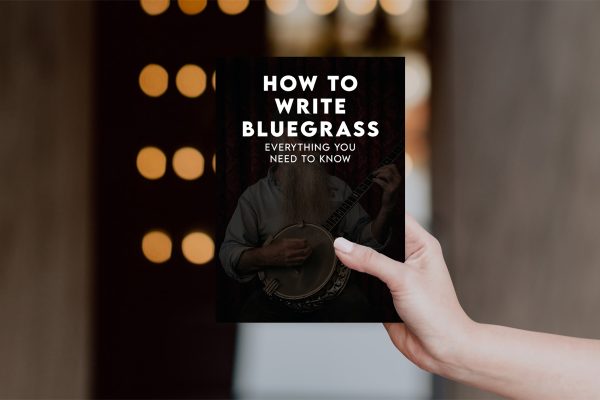
BLUEGRASS

Fire picking, family harmonies, and roadside stories. Breakneck drive, clean hooks, and choruses that kick dust while warming hearts tonight.

Looking to Learn Something New?

EXPLORE THESE DEEP DIVES INTO SONGWRITING & THE MUSIC BUSINESS

Go beyond surface tips and jump into the nerdy, useful stuff: hooks that stick, lyrics that tattoo, rights that pay, and strategies that actually move numbers. We translate jargon, share templates, and show receipts, so your songs slap harder and your career earns smarter.

HOOK CHORUS & TOPLINE SCIENCE

MUSIC THEORY FOR NON-THEORY PEOPLE

RECORDING & PRODUCTION FOR SONGWRITERS

Release-ready records from bedrooms: signal flow, vocal comping, arrangement drops, tasteful stacks, smart metadata, budget tricks included.

Popular Articles

Demo to Release: Minimal gear maximal impact
Vocal Producing 101 (comping doubles ad-libs)
Writing with Loops & Samples (legal basics sample packs)
Arrangement Moves that make choruses explode
Making Sync-Friendly Versions (alt mixes clean edits)

MUSIC BUSINESS BASICS

CAREER & NETWORKING

Pitch professionally, vet managers, decode A&R, build tiny-mighty teams, follow up gracefully, and book meaningful opportunities consistently.

Popular Articles

How to Find a Manager (and not get finessed)
A&R Explained: What they scout how to pitch
Query Emails that get reads (templates teardown)
Playlisting 2025: Editorial vs algorithmic vs user lists
Building Your Creative Team (producer mixer publicist)

MONEY & MONETIZATION

TOOLS WORKFLOWS & CHECKLISTS

Plug-and-play templates, surveys, finish checklists, release sheets, day planners, prompt banks—less chaos, more shipped songs every week.

Popular Articles

The Song Finishing Checklist (printable)
Pre-Session Survey for Co-Writes (expectations & splits)
Lyric Editing Checklist (clarity imagery cadence)
Demo in a Day schedule (timed blocks + prompts)

Mini Songwriting Lesson: The Crime-Scene Upgrade

You are not writing about feelings. You are documenting evidence. Treat your lyric like a crime scene and make the listener the detective. If a line would not help solve the case, it gets cut.

Step 1. Tape off the area

Pick one moment, one place, one object. No summaries. No life stories. One scene the listener can stand inside.

Step 2. Bag the nouns

Circle every abstract word: love, pain, freedom, lonely, forever. Replace each with a physical detail you can smell, touch, hear, or taste.

Step 3. Timestamp it

Add a tiny clock tick or calendar crumb. A time, a month, a day of the week. Human brains file memories by time and place. Make your song feel filed, not floating.

Step 4. Photograph the hands

Tell us what someone is doing. Not thinking. Not being. Doing. Hands make pictures. Pictures make hooks.

Before → After (evidence upgrade)

“Baby, I still love you.”
“Your coffee mug is sunburned on the counter. 4 p.m., I drink the last sip cold.”

“I’m broken without you.”
“The checkout light blinks and I say your name to the self-scanner.”

“We were perfect together.”
“July ate the curtains. Your shadow still naps on my side.”

The 10-Second Gut Check

If your line could live on a motivational poster, it dies. If your line could live on a police report, it lives.

Try it now

Pick one line from your draft. Swap every abstraction for evidence. Add a timestamp. Put hands in the frame. Read it out loud. If someone you know flinches, you did it right.

Explore Our Genre Specific Songwriting Guides

Pick a sound and steal the moves that make it land. Each guide breaks the style into chords, drum feel, melody habits, lyric angles, arrangement shapes, and mix quick wins you can use today. No theory lectures. Just examples, prompts, and edits that turn loops into songs people remember.

Pop hooks that stick, hip hop and trap bounce, R&B warmth, indie and alt edge, rock crunch, singer songwriter honesty, EDM drops across house, techno, and drum and bass, afrobeat swing, reggaeton dembow, country storytelling, folk intimacy, metal bite, punk speed, jazz and blues color. Learn the patterns, then bend them until they feel like you.

Explore Our Songwriting Guides About Emotions & Life Situations

Songs last when they carry a feeling someone can live inside. These guides turn vague vibes into scenes your listener can smell and touch. Pick an emotion or moment. First kiss. Homesick in a new city. Quiet grief at the sink. Petty rage in the car.

We give angles, metaphors, and specificity drills. Dialogue lines that sound human. Timeline maps for arcs from heartbreak to healing. Motif prompts that echo across verses and choruses. You get tiny steps, ruthless edit tests, and examples you can use today. Say less. Mean more. Write the song your fans swear was written about them.
Songwriting Frequently Asked Questions

1.

How do I avoid clichés without sounding try-hard?

Clichés hang around because they’re easy to reach, like the nearest pizza slice. The fix isn’t to outlaw familiar ideas; it’s to upgrade them with evidence. Start by underlining every abstract word (love, pain, freedom, forever).

For each one, write three sensory replacements: a smell, a sound, a texture. “I’m empty without you” becomes “Your side of the closet hisses like a radiator, quiet, but never off.”

Next, check your verbs. Swap “be/is/feel” for actions: spill, fold, buzz, unspool. Action verbs create camera angles, not diary entries

2.

What’s the fastest way to turn feelings into vivid lyrics?

Use the “3×3 Snapshot.” Pick one moment (not a theme), then list three objects you can touch, three sounds you can hear, and three actions someone takes.

Now arrange them into a four-line stanza:

Line 1 sets the scene,

Line 2 shows an object doing something unexpected,

Line 3 gives a tiny timestamp,

Line 4 lands an emotional inference without naming it.

Example: “Your hoodie guards the chair, pockets full of February. / The fridge hums like it knows. / 2:17 a.m. in socks and bad ideas. / I practice leaving with the door still locked.” Notice there’s no “I’m sad.” The sadness is baked into the evidence.

If you stall, interview the moment: What did the room smell like? What was on the TV? What almost happened? What did your hands do? Hands are lyric gold because they imply motive.

Finish with the “poster purge”: delete any line that could live on a motivational poster or a bumper sticker. Replace with a physical detail.

With practice, the 3×3 takes five minutes and turns fog into film, fast.

3.

How do I write a chorus people actually sing?

Choruses win with clarity, contour, and payoff. First, clarity: pick one sentence that sums the feeling in plain speech. Say it like a text to a friend. That’s your chorus spine.

Second, contour: aim for a melody shape that climbs, lands, then opens on the title phrase. Listeners remember shapes more than notes.

Third, payoff: the final line should either answer a question the verse raised or flip the meaning with a tiny twist. If your chorus reads like a verse, it’s not a chorus, it’s homework.

Meter matters. Use shorter lines and stronger stresses than your verse.

Try a stress pattern you can clap without tripping (DA-da-DA-da-DA).

Lyric devices that help: ring phrases (repeat the title at start and end), list escalation (three items, last one surprising), and vowel testing (sing the hook only on vowels to ensure it’s singable).

Edit by subtraction: every extra word is a speed bump. Replace connectors (that, and, just) with breath.

Finally, test in the wild: if a friend can sing the last line by the second listen, you’ve got a chorus. If not, simplify the sentence, raise the last note, and point the lyric at a single idea.

4.

Prosody: how do I fit words to melody so nothing feels awkward?

Prosody is the marriage of meaning, stress, and melody.

The stressed syllables of your words should land on strong beats or longer notes. Say your line out loud, mark the naturally stressed syllables (ALL caps), then map them to your melody.

If the stress falls on a weak beat, either rewrite the line or shift the melody so the “meaning beats” align.

Example: “I never SAID I’d STAY” wants stress on said and stay; if your tune emphasizes “I” and “I’d,” it will feel off even if the words are perfect.

Watch for “melodic sarcasm”, when a joyful melody carries a despairing line, or vice versa.

You can do this on purpose for contrast, but if it’s accidental, listeners feel friction. Consonant clusters also fight long notes; stretch vowels, not S/T/K piles. Swap “cracked” for “broken” if the note is held.

Trim filler: “like,” “just,” “really” weaken downbeat impact. Last, check vowel openness on high notes.

Open vowels (ah, oh, ay) soar and stick; closed vowels (ee, ih) can pinch. Tweak the wording to land open vowels on high peaks and your line will suddenly sing better, same meaning, better prosody.

5.

Which rhyme schemes feel modern without sounding like nursery rhymes?

Modern lyrics lean on imperfect rhyme, internal rhyme, and family rhyme (words that share vowel/consonant families without matching perfectly).

Instead of AABB, try ABXB with internal echoes: “kitchen / listen / missing / hiss in.” This keeps momentum without the “pat-pat” predictability.

Place your strongest rhyme at the line that carries the emotional twist (usually line 4 of a verse or the last line of a chorus). Use near rhymes to avoid telegraphing endings. If the listener can guess your rhyme before you arrive, tension dies.

Write a quick rhyme ladder: pick your anchor word (“winter”), then list families: splinter, printer, hinder, center (family), vinegar (slant via consonant pattern).

Now hide a couple inside the line as internal rhymes: “Your hoodie smells like winter; the printer hums a splintered hymn.” You get music without sing-song.

Also play with rhyme position: end-rhymes feel classic; mid-line rhymes feel conversational.

Mix both. Finally, permit yourself one perfect rhyme per section, treat it like a cymbal crash.

When everything rhymes perfectly, nothing lands. When most of it floats and one line locks, the listener’s ear perks up.

6.

How do I use metaphor without mixing it into a weird smoothie?

Pick a single metaphor field per section.

If your verse says the relationship is a “leaking house,” every image should live in that world: buckets, carpet, mold, bills, towels. Don’t randomly throw in “sinking ship” or “burning forest.”

Mixed fields confuse the mental movie. Before writing, jot a 15-word vocabulary from your chosen field; only pull from that for the scene. If you must switch fields, do it at a section change and signpost the shift with a pivot line (“By morning the flood felt more like traffic”).

Keep the metaphor useful, not just pretty. It should either reveal cause (“the roof’s been patched with birthday tape”) or consequence (“black spores in the corners spelled our names”).

Avoid metaphors that require a dictionary; you’re not applying for a poetry scholarship. Test for coherence: if you can replace the metaphor with a literal line and the meaning stays clear, the metaphor earns its keep.

Finally, resist “as if” stacking. Two similes in a row is costume jewelry. Choose one metaphor, milk it for detail, and move on. Precision beats pile-on every time.

7.

How do I build a story arc in a three-minute song?

Use the “Now / Before / After” frame.

Verse 1 = Now: one vivid scene that shows the current tension.

Pre-chorus = Why it matters: the pressure building.

Chorus = What I want / What I can’t get: the core emotion as a simple sentence.

Verse 2 = Before: a short flashback detail that reframes the Now.

Bridge = After: the consequence or decision, win, lose, or choose. Keep each scene anchored in objects and actions so the arc feels like film, not summary.

Time economy is key. A single prop can carry history (the mug, the cracked phone, the key you didn’t return).

Let it change across sections (full → cold → in the trash). That visual evolution is the arc.

End with earned ambiguity: you don’t need to explain everything. Offer a specific image that implies outcome (“I leave the spare key on the windowsill, face up to catch rain”).

The listener’s brain connects dots, which creates ownership. Three minutes is enough if every line moves the story or heightens the stakes. If it doesn’t, it’s gone.

8.

What’s a reliable editing checklist to de-cringe a verse?

Run these passes:

1) Abstraction purge: circle vague words and replace with touchable details.

2) Verb upgrade: swap “be/feel/try” for action.

3) Cut the preamble: delete your first line if it’s throat-clearing (“I’ve been thinking about…”).

4) Prosody check: stress lands on meaning words.

5) Rhyme loosen: replace any forced perfect rhyme with a family rhyme.

6) Camera test: can you see the line as a shot? If not, add a prop or action.

7) Read like a text: would you send this phrasing to a friend? If not, simplify.

8) One surprise per verse: a twist noun, a fresh verb, or a left-turn image.

9) Breath line: remove filler words that don’t change meaning.

10) Title gravity: does each line bend toward the song’s title idea?

Finish with the “wince test.” Read to someone who knows you. Watch their face, not their words. If they flinch, ask which word did it. That’s your cut. Edit is courage: you’re not killing the song, you’re removing everything that isn’t the song.

9.

How do I beat writer’s block today?

Blocks hate constraints and deadlines. Set a timer for ten minutes and use the “Object Drill.”

Pick one object within arm’s reach. Write four lines where the object appears in each line performing an action. No feelings allowed. When the timer dings, pick your favorite line and splice in a tiny timestamp and a person’s name.

Boom: seed of a verse. If you need melody, hum nonsense vowels over a two-chord loop and record the first take.

Transcribe the vowel shapes into syllable counts, then fit words to the shape. You’re now chasing sounds, not perfection.

Another hack: write the chorus last. Draft two verses and a bridge first. The chorus will reveal itself as the sentence you kept almost saying. Or use “stolen scaffolds”: rewrite a classic song’s structure with your story (don’t keep the words or melody, just the pattern of where the turns happen).

Most blocks are permission problems, not idea problems. Give yourself permission to write a “bad” draft. Bad drafts move. Static perfection doesn’t.

10.

Which point of view and tense should I choose, and why?

POV is a camera choice. First person (“I”) feels intimate and flawed; great for confession and urgency.

Second person (“you”) is confrontational or devotional; it puts the listener in the story, use when you want a direct line.

Third person (“she/they”) creates cinematic distance; useful for storytelling or when the subject isn’t you.

Tense sets pace: present tense is live-wire; past tense is reflective; future tense is promise or threat. Pick based on the emotional contract you want.

Try the “POV swap test.” Write your first verse in first person present. Then rewrite it in second person past.

Notice how the power dynamic flips. Choose the version that produces the bigger gut-punch.

Also consider hybrid POVs: verse in third person, chorus in second person, like zooming from wide shot to close-up.

Consistency matters within sections; switching POV mid-verse usually feels like whiplash unless it’s a deliberate twist line.

Your listener will forgive almost anything if the POV helps them feel like the song is about them.

11.

What makes a great bridge, and do I actually need one?

You need a bridge when your song has repeated the same emotional posture twice and needs either (a) a consequence, (b) a contradiction, or (c) a confession.

The bridge offers new information or a new angle, not just new words.

Tools: change the harmonic center (relative minor/major), flip the rhythm density (busy to sparse or vice versa), and alter the pronoun or time (“By morning…”). Keep it short, four to eight bars.

Think of it as a whispered rumor before the final chorus.

Lyrically, a bridge should answer something the chorus keeps asking. If your hook says “I won’t call,” the bridge admits “I called yesterday.” If your verses describe evidence, the bridge gives motive.

Avoid bridges that merely summarize (“we had our ups and downs”). That’s liner notes, not a twist. Test: if you cut the bridge and nothing about the story changes, write a new bridge or skip it.

And yes, some songs don’t need one.

If your second chorus already feels like a finale, spend those bars on a post-chorus hook or an instrumental motif to let the emotion breathe.

12.

How do I use motifs and callbacks so the song feels like one piece?

Pick a small, repeatable element, a word, image, rhythm, or interval, and let it return with slight mutations. That’s a motif.

For lyrics, choose a concrete prop (the hoodie, the mug, the spare key) and show it changing state across sections. For phrasing, repeat a syntactic pattern (“I keep…” “You keep…”) but swap the endings for escalation. For melody, reuse a three-note cell in different registers.

The secret is variation, not copy-paste.

Add a callback in verse 2 that reframes a line from verse 1 with one altered word, revealing growth or decay. In the final chorus, tweak one key word in the hook to show the journey’s cost.

Think of motifs as breadcrumb trails for the listener’s memory. Too many new ideas and the brain drops the bag. A couple of returning ones and the song feels inevitable.

Motifs create cohesion without yelling, “Here’s the theme again!”

13.

How can I be specific without oversharing or sounding creepy?

Specificity isn’t confession; it’s curation. Swap legal names for initials, cities for neighborhoods, and private facts for signals that imply the truth.

The goal is to give the listener a room to stand in, not a subpoena. Use “composite images”, blend two or three real moments into one scene. You keep authenticity while blurring identifiable edges.

Another trick: describe objects, not bodies. “Your boots eating the snow” feels intimate without violating anyone’s privacy.

Run the “front-page test.” If this lyric landed on a blog tomorrow, would you still stand by it? If not, disguise.

Change time, alter props, swap seasons. Emotional honesty survives costume changes. Also, protect other people’s dignity. Punch yourself up, not them. If a line feels cheap at someone else’s expense, it will age like milk.

Lastly, remember that specificity lives in slivers, one detail per line often beats a confessional avalanche. Let the listener meet you halfway; that’s where ownership happens.

14.

How should I approach co-writing without losing my voice (and without drama)?

Set the sandbox before you play. Agree on: target emotion, reference vibe, who’s steering melody vs. lyric, and how you’ll decide “done.”

Put splits in writing before you finish (common default is equal splits unless agreed otherwise).

Start with a speed round: 15 minutes of ideas, no judging. Pick the best seed and give one person “driver” status for an hour while the other supports. Then switch. This avoids two people steering one wheel.

Protect your voice by being the guardian of specificity. If a line feels generic, volunteer a concrete alternative instead of saying “meh.”

Keep the room psychologically safe: praise the attempt, not just the result. Kill ideas, not people. Record everything. The throwaway hum at minute 42 might be the hook.

Close with a recap: what works, what needs a solo pass, next steps. Co-writing is not democracy; it’s relay. Pass the baton cleanly and everyone runs faster.

15.

When is a song actually done?

A song is done when changes stop increasing impact and start merely changing taste. Use the “Three Gates.”

Gate 1: Clarity, can a first-time listener summarize the chorus in one sentence after one spin?

Gate 2: Emotion, does at least one line cause a physical reaction (smile, flinch, goosebump) in a test listener?

Gate 3: Cohesion, do the verse images, chorus title, and bridge twist all point at the same emotional bullseye? If yes, you’re done for this version.

Park the song for 48 hours. Return with a red pen and answer: which single change would yield the biggest improvement?

Make that change and stop. Perfectionism often replaces courage. Release teaches you more than tweaking does.

Also archive alt versions. Sometimes version two was “better” but version four was “braver.”

Braver usually wins hearts. Finally, measure against purpose: is this song for catharsis, a set opener, or a pitch? Being “done” means fit for purpose, not defensible to every stranger on the internet.

16.

How do I make my lyrics feel “timeless” instead of trend-chasing?

Timelessness isn’t vintage fonts, it’s human specificity plus clean architecture.

Focus on durable emotions (longing, choice, cost, home) expressed through concrete images that won’t expire in a season. A payphone image might feel dated, but “your voice on speaker while the kettle screams” will age well.

Use contemporary slang sparingly as seasoning, not scaffolding. Structure-wise, favor clear sections with memorable hooks; trends orbit hooks but hooks outlive trends.

Strip any references that require niche context to decode the core emotion. If the line dies without the reference, rewrite.

Balance surprise with sense: one fresh metaphor per section beats five clever puzzles. And singability matters, timeless songs invite voices.

Test your chorus with one acoustic instrument and a voice. If it still punches, it’s likely durable.

Finally, write like you text your best friend the truth at midnight. Honest specificity never goes out of style.

17.

What daily practice will actually improve my lyric writing?

Use the “10-10-10.”

Ten minutes reading (not lyrics, short stories, essays, overheard dialogue).

Ten minutes collecting images: write five sensory snapshots from your day.

Ten minutes rewriting one old couplet using a new constraint (no adjectives, only verbs; or swap every noun for a more precise one).

That’s 30 minutes.

Add a weekly “field trip” where you eavesdrop in a public place and transcribe a minute of conversation. Real speech rhythms sharpen your lyric phrasing.

Create a swipe file of great lines (from songs, poems, movies). Don’t copy, diagnose. What makes them land? Is it the verb? The timestamp? The unexpected object? Then replicate the function, not the words.

Track your wins: one finished verse or chorus per week beats starving for a masterpiece.

Momentum compounds. And protect your inputs, doomscroll kills voice.

Feed your brain with scenes, not takes. Writers write better when they’re living better scenes.